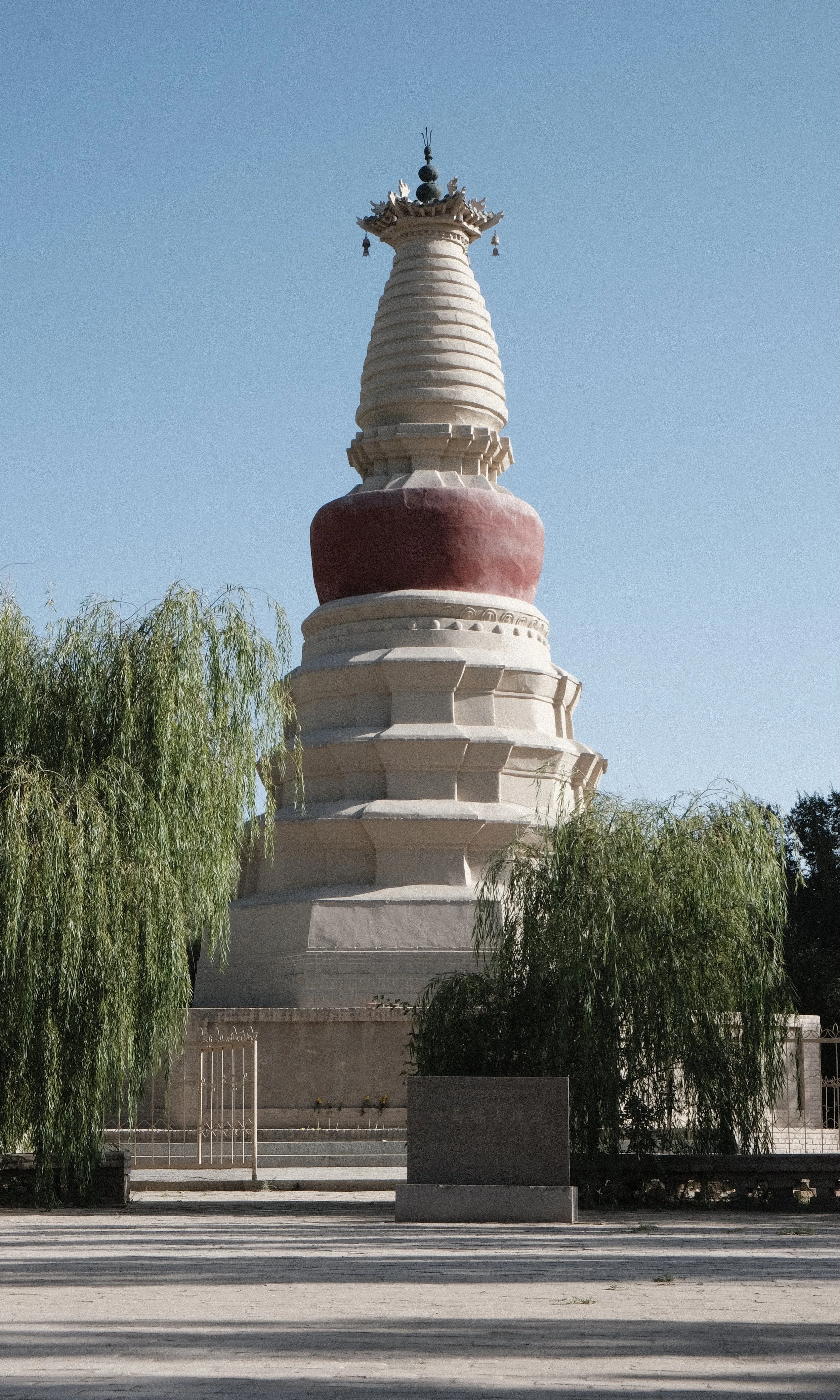
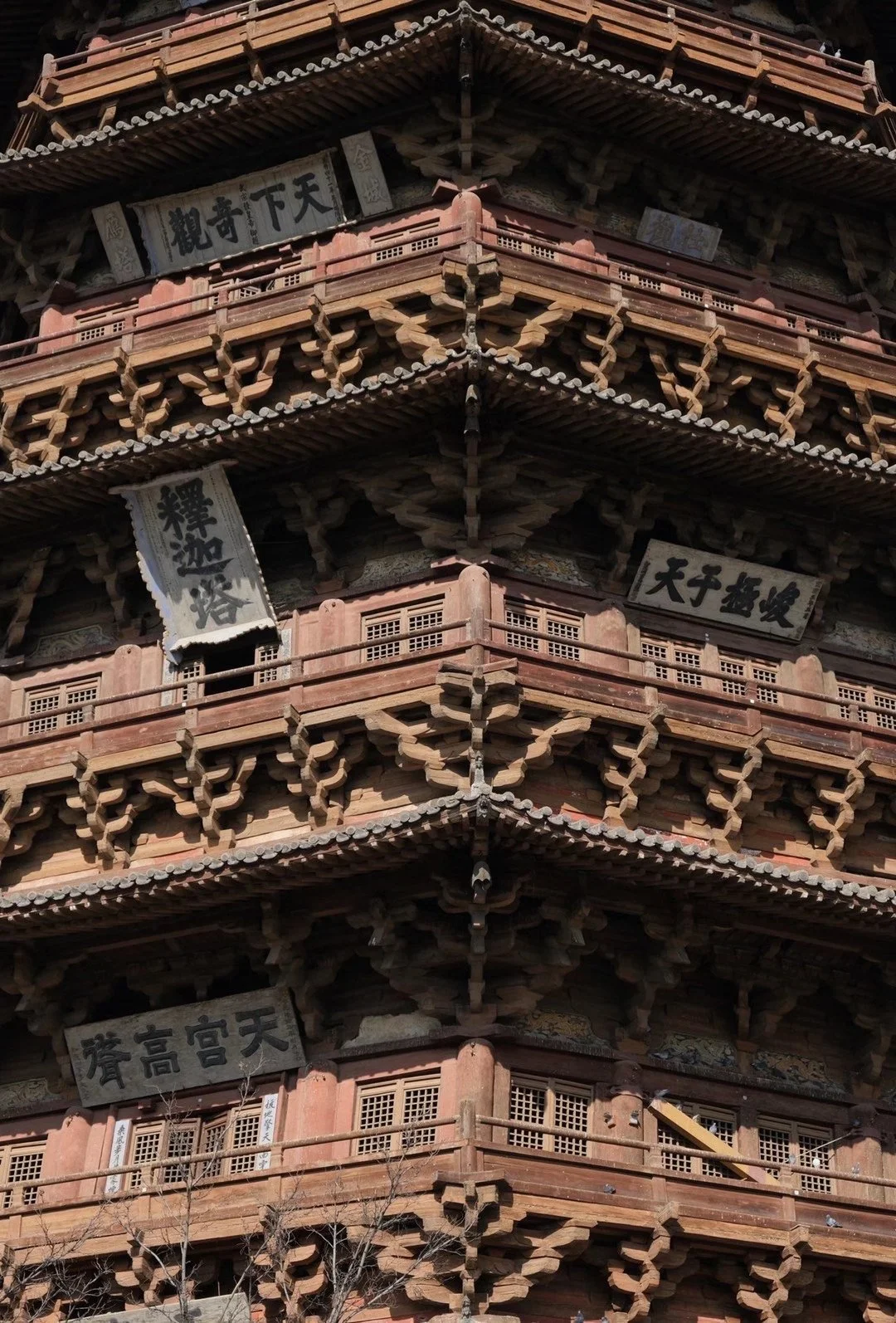
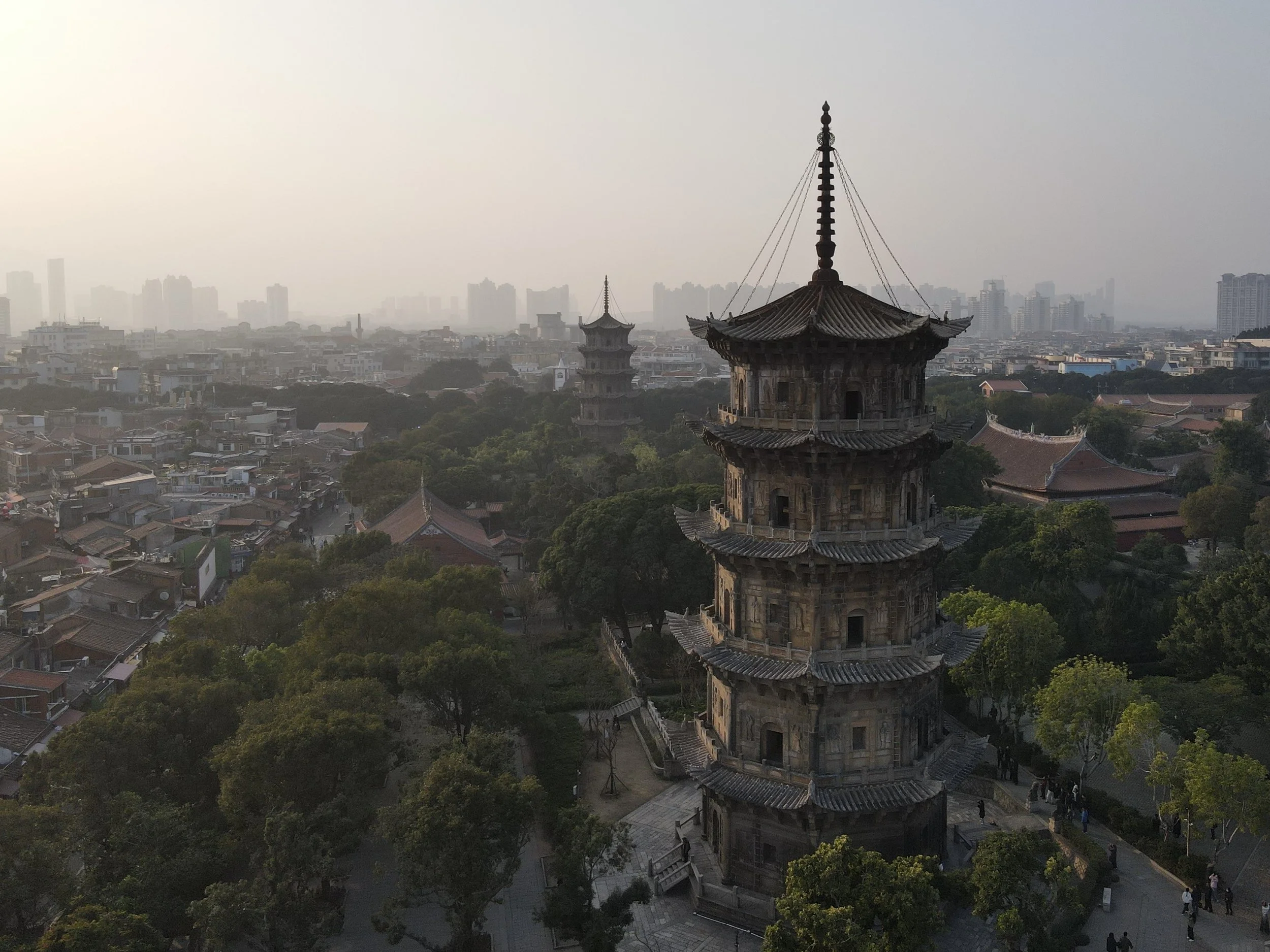
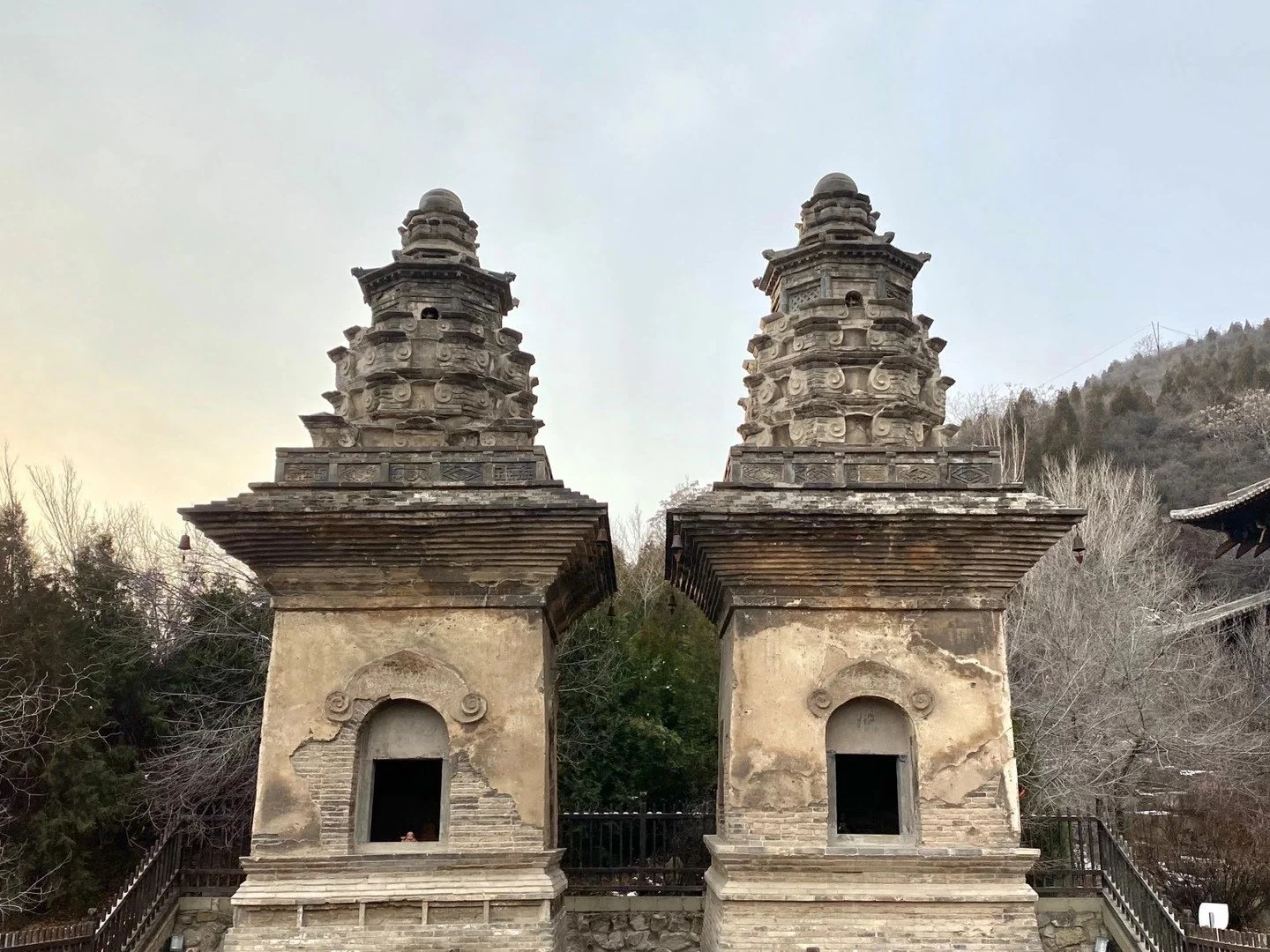
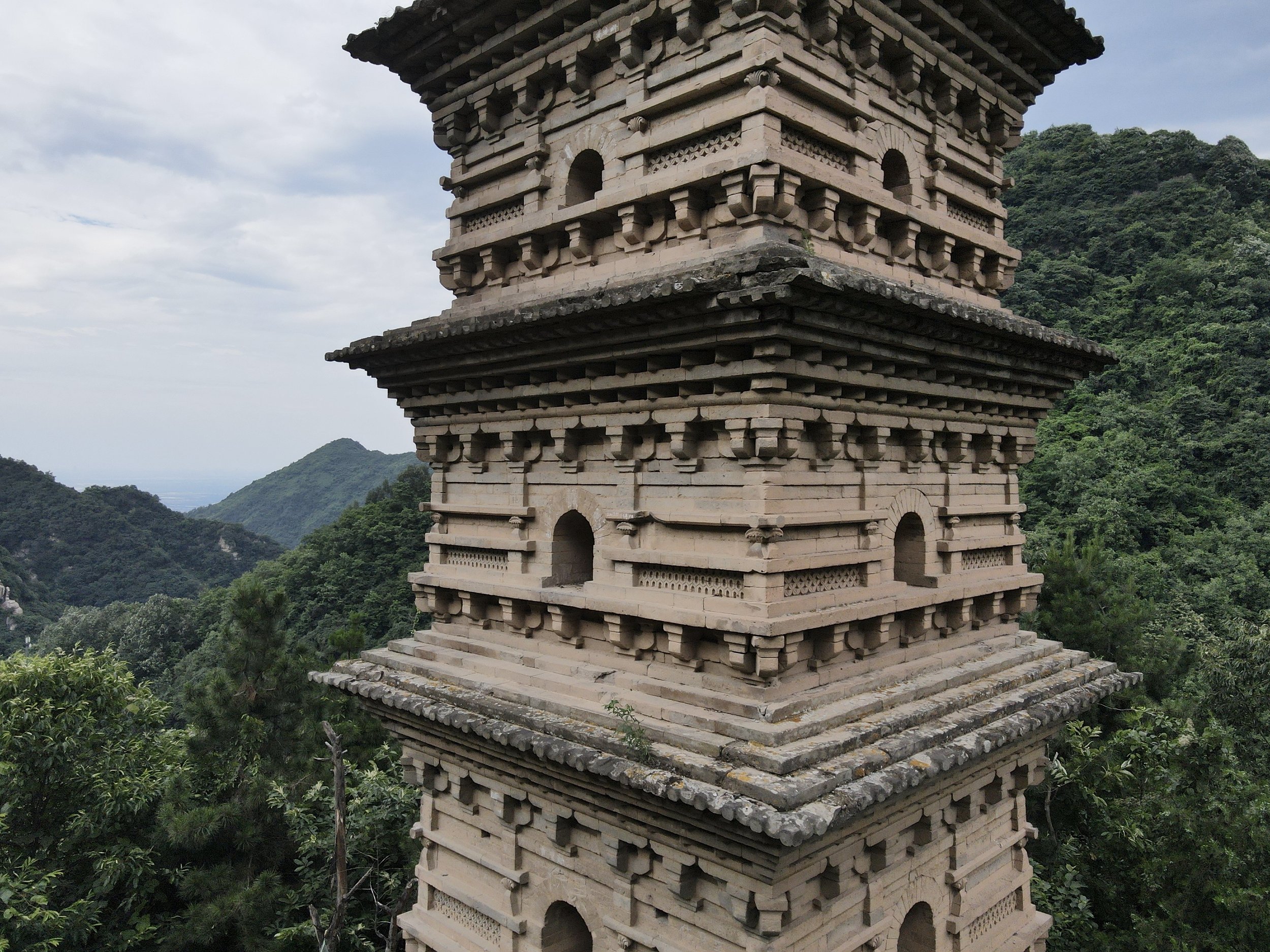
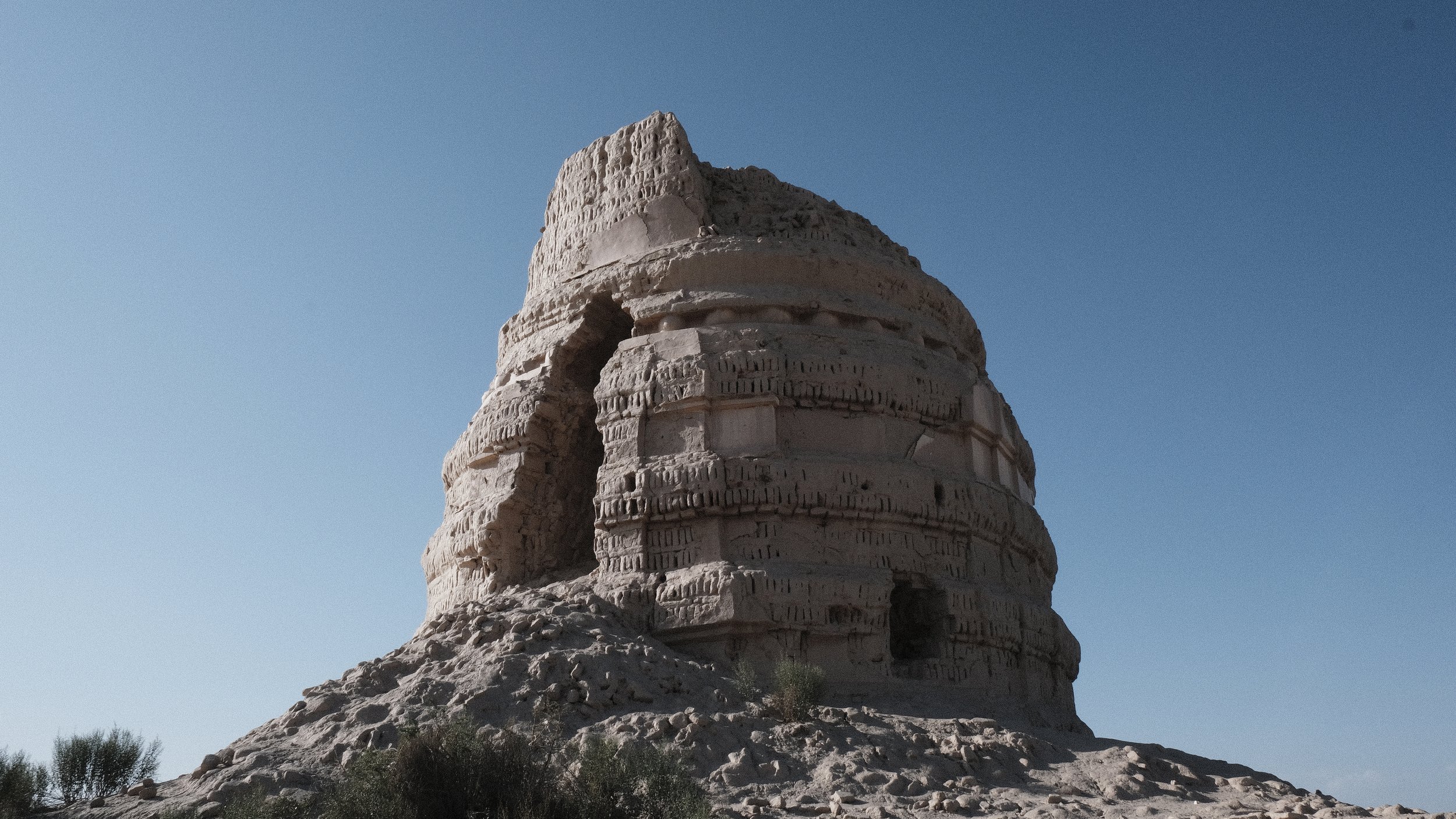
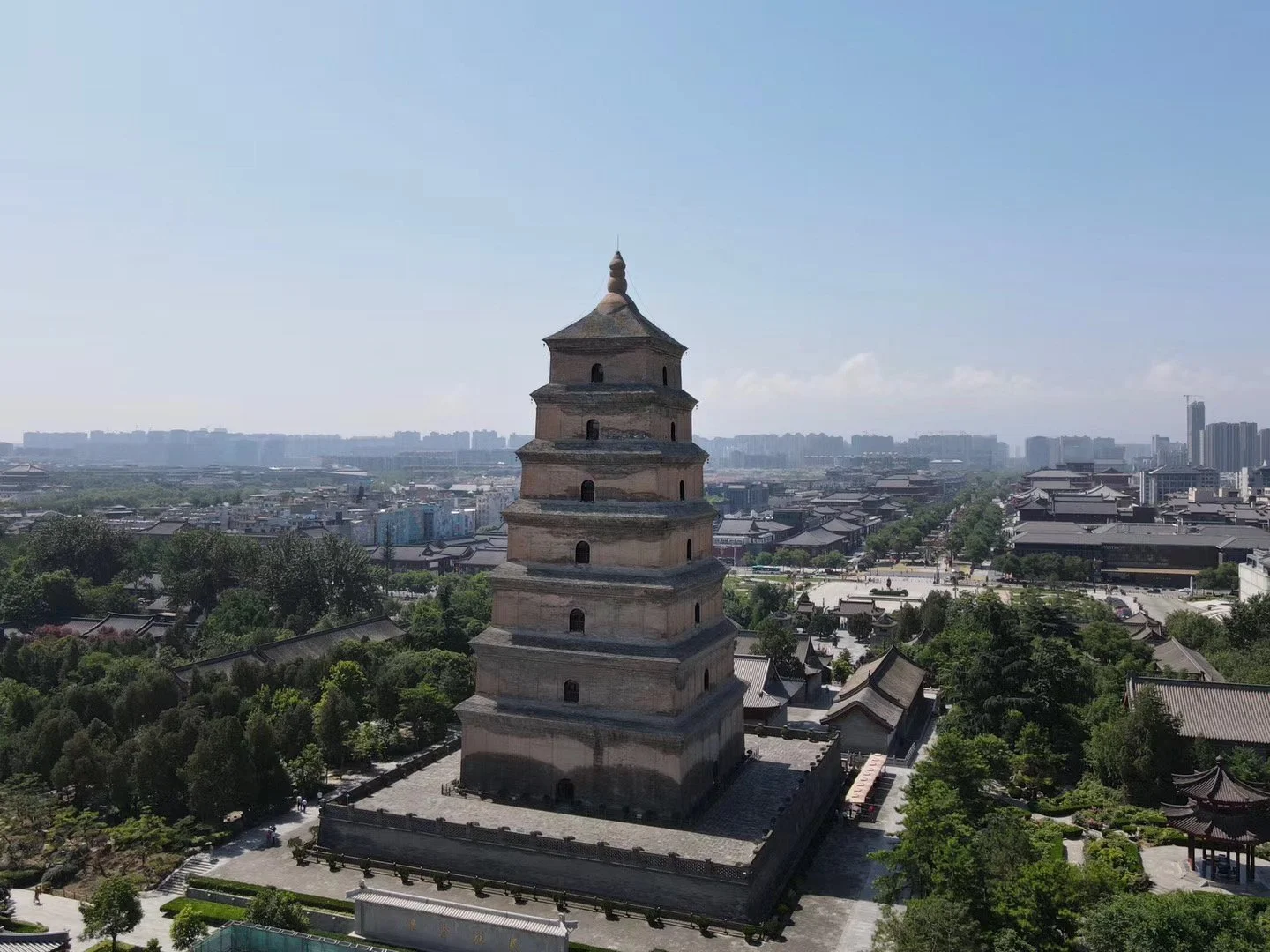
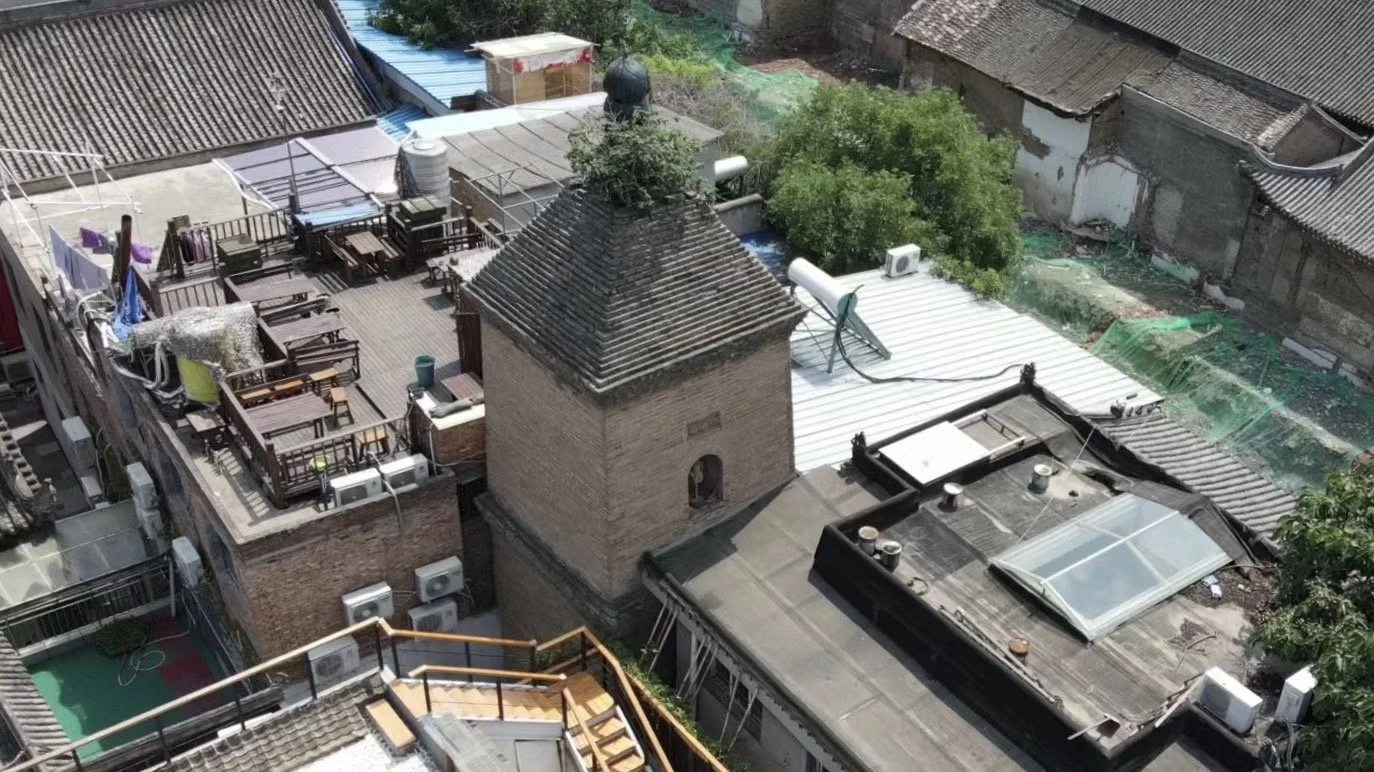
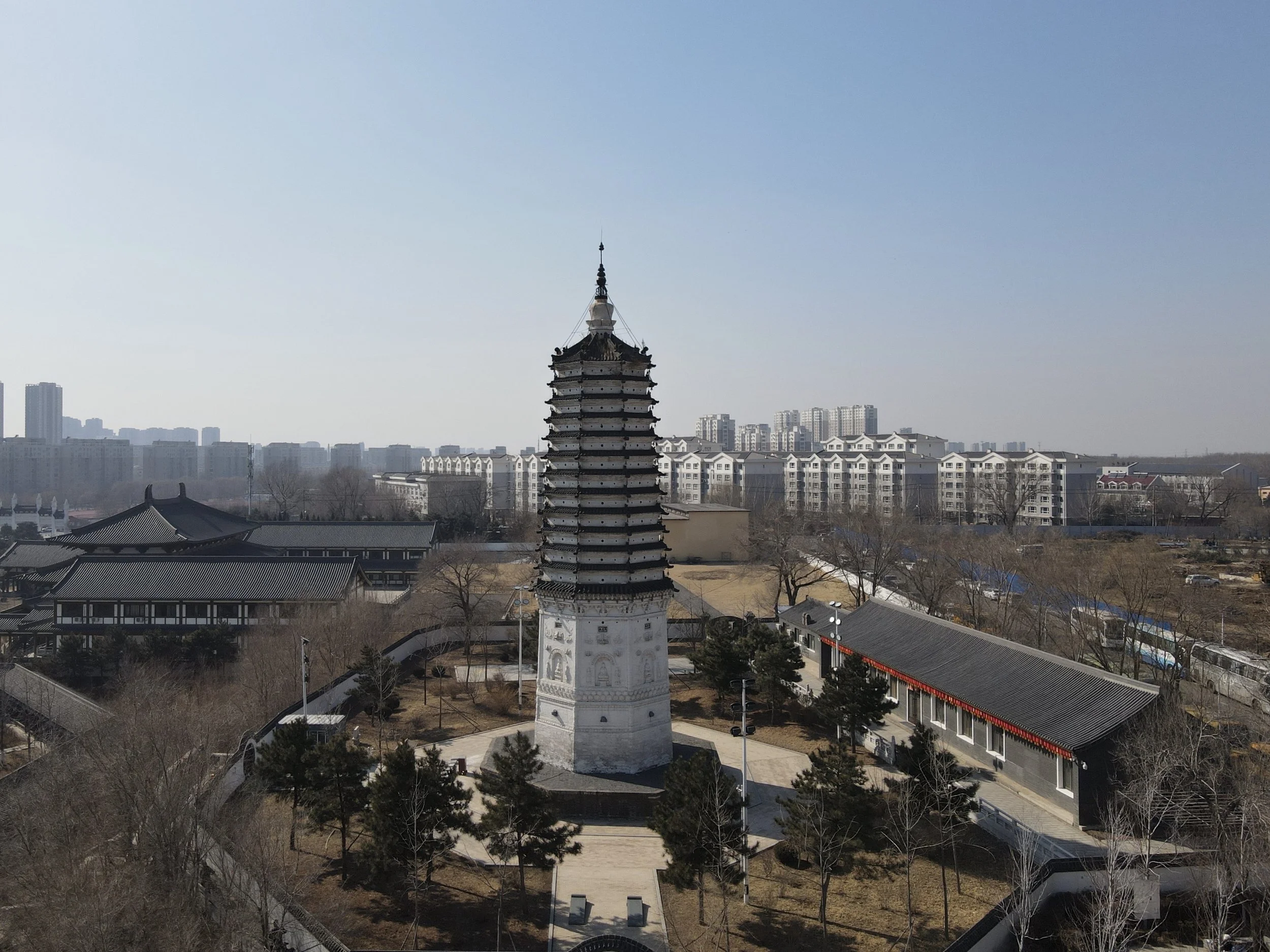
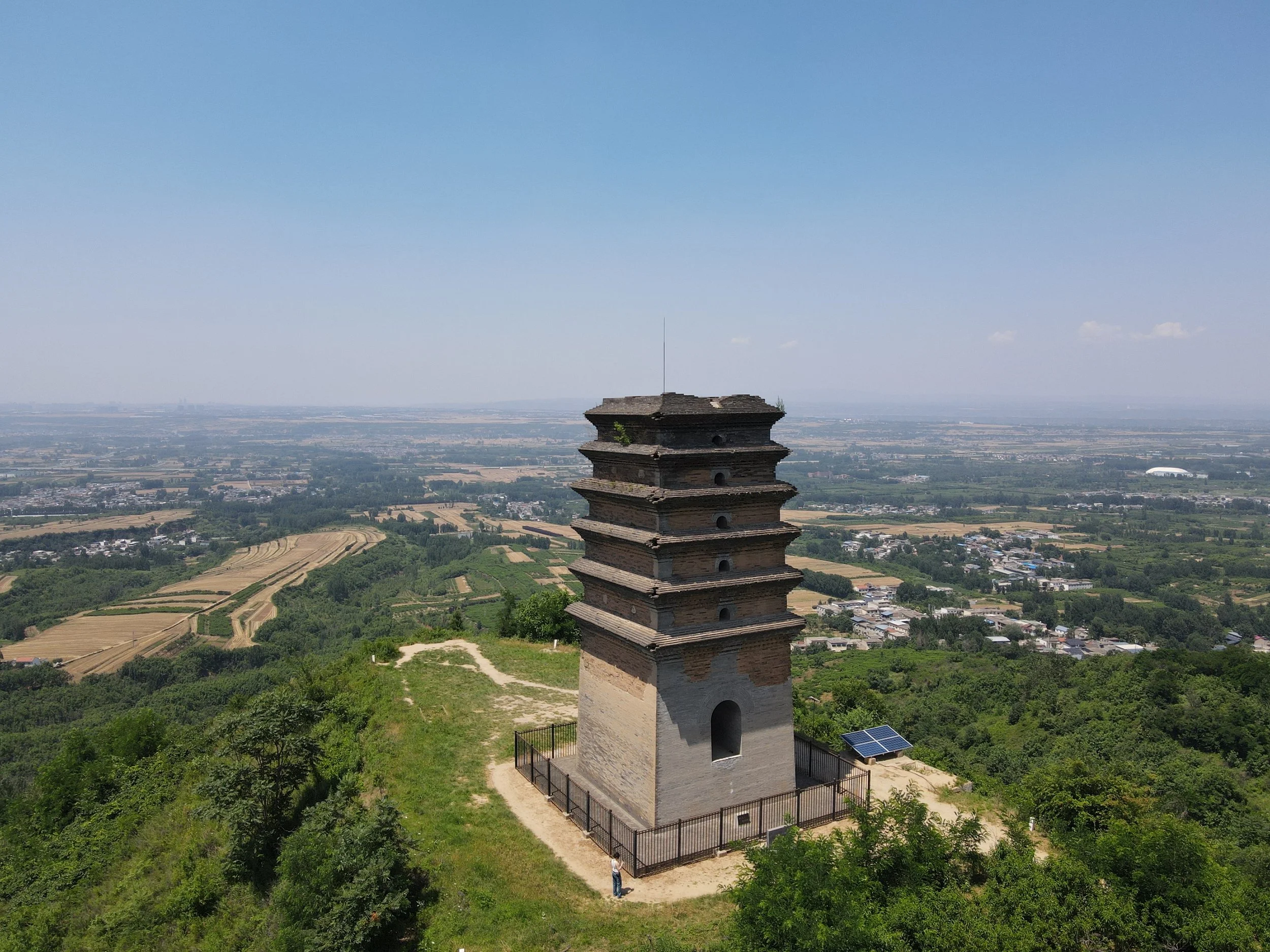
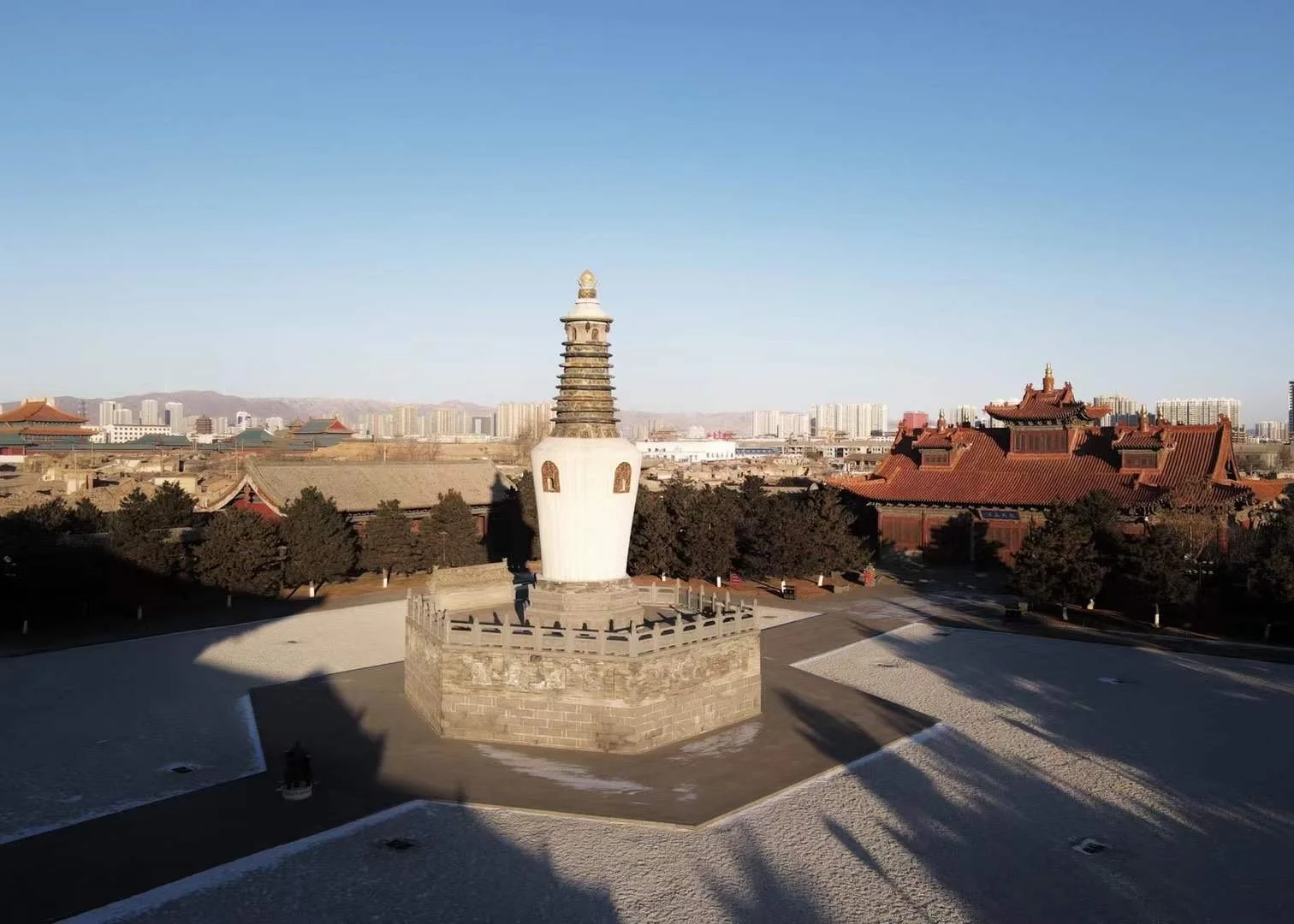
pagoda
/pəˈɡəʊ.də/ (UK) /pəˈɡoʊ.də/ (US)
a temple (a religious building) in south or east asia, usually in the form of a tall tower with several levels, each of which has its own roof that extends beyond the one below it.
— oxford learner’s dictionary
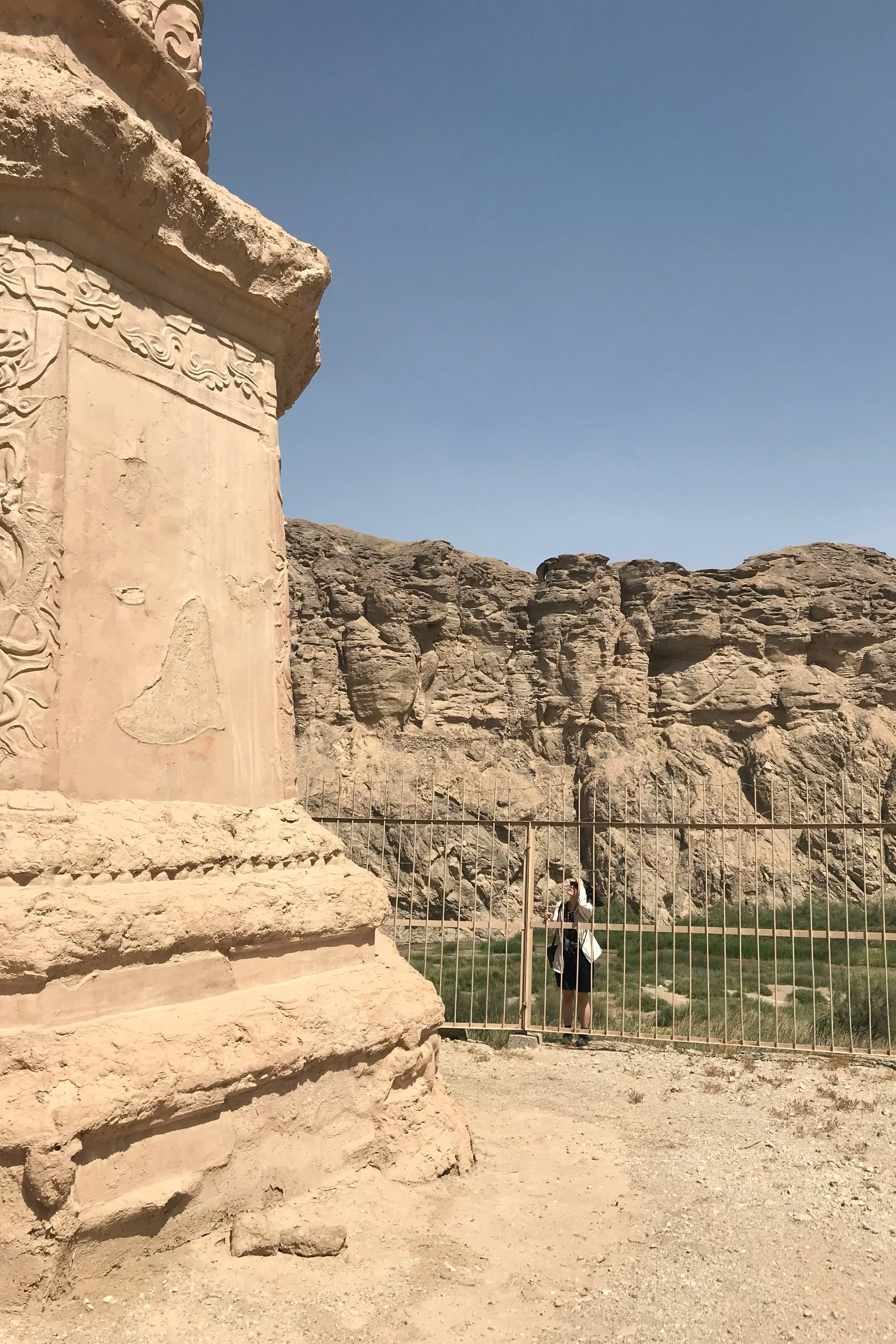
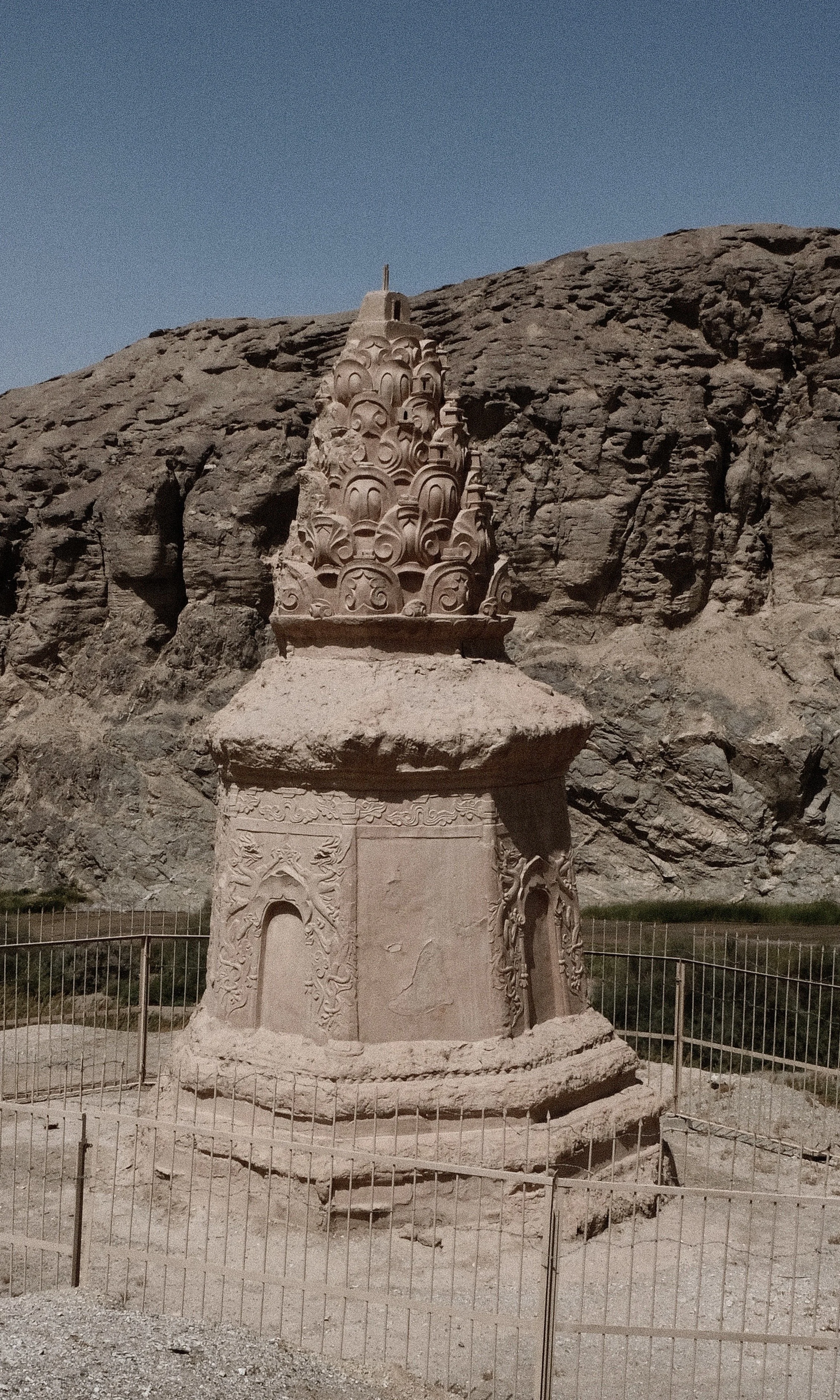
In the field with my favourite pagoda, Dunhuang, China, 2020
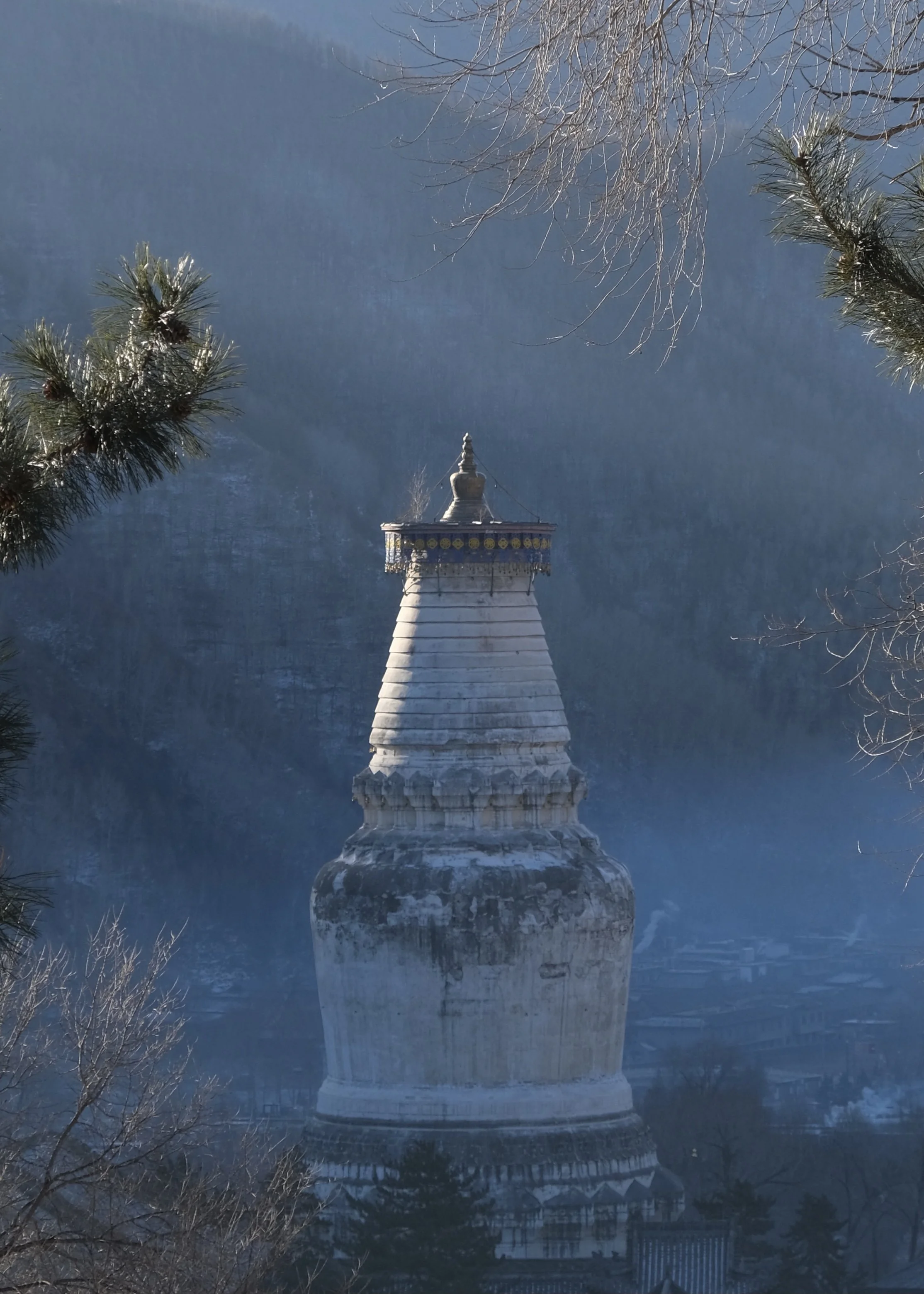
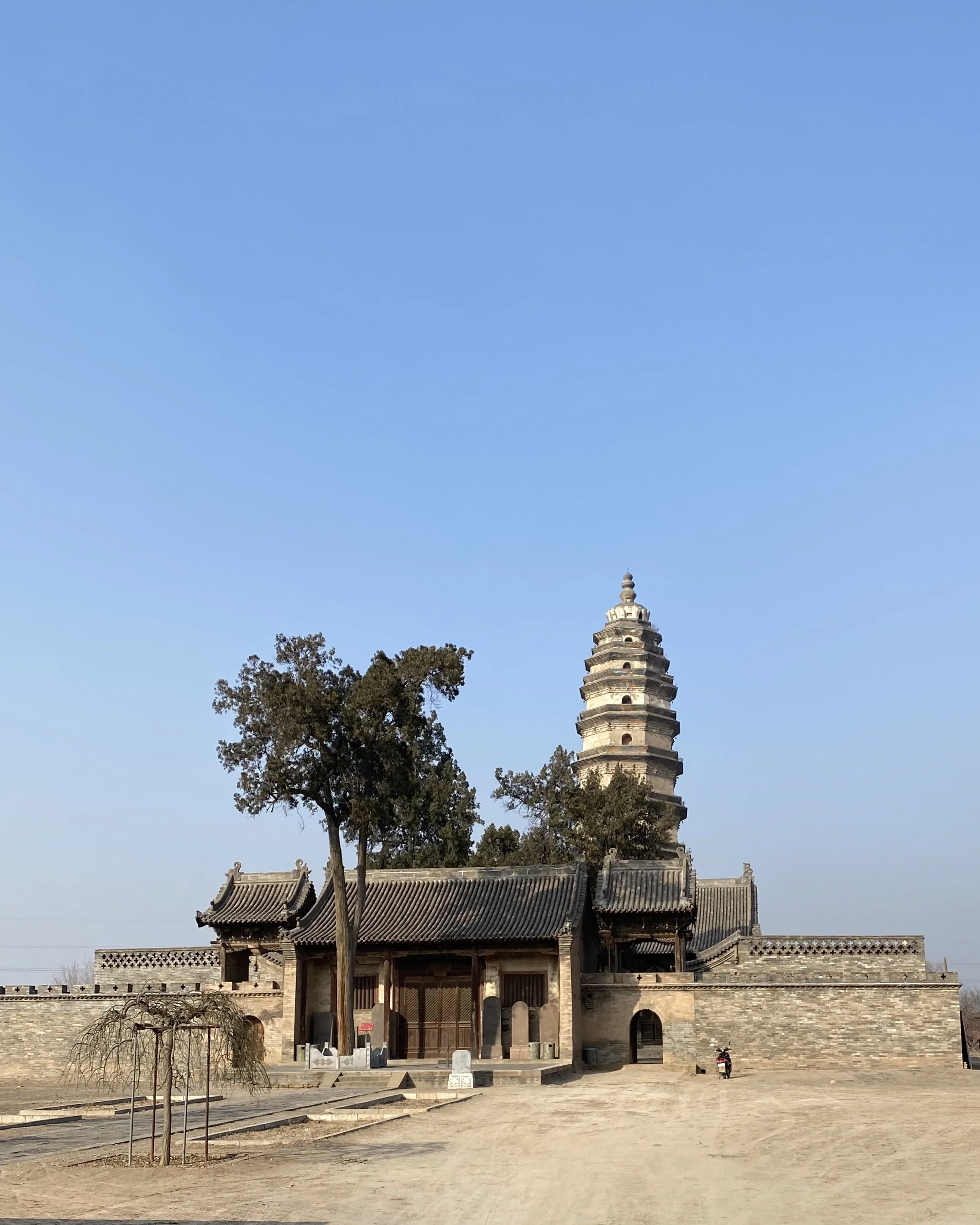
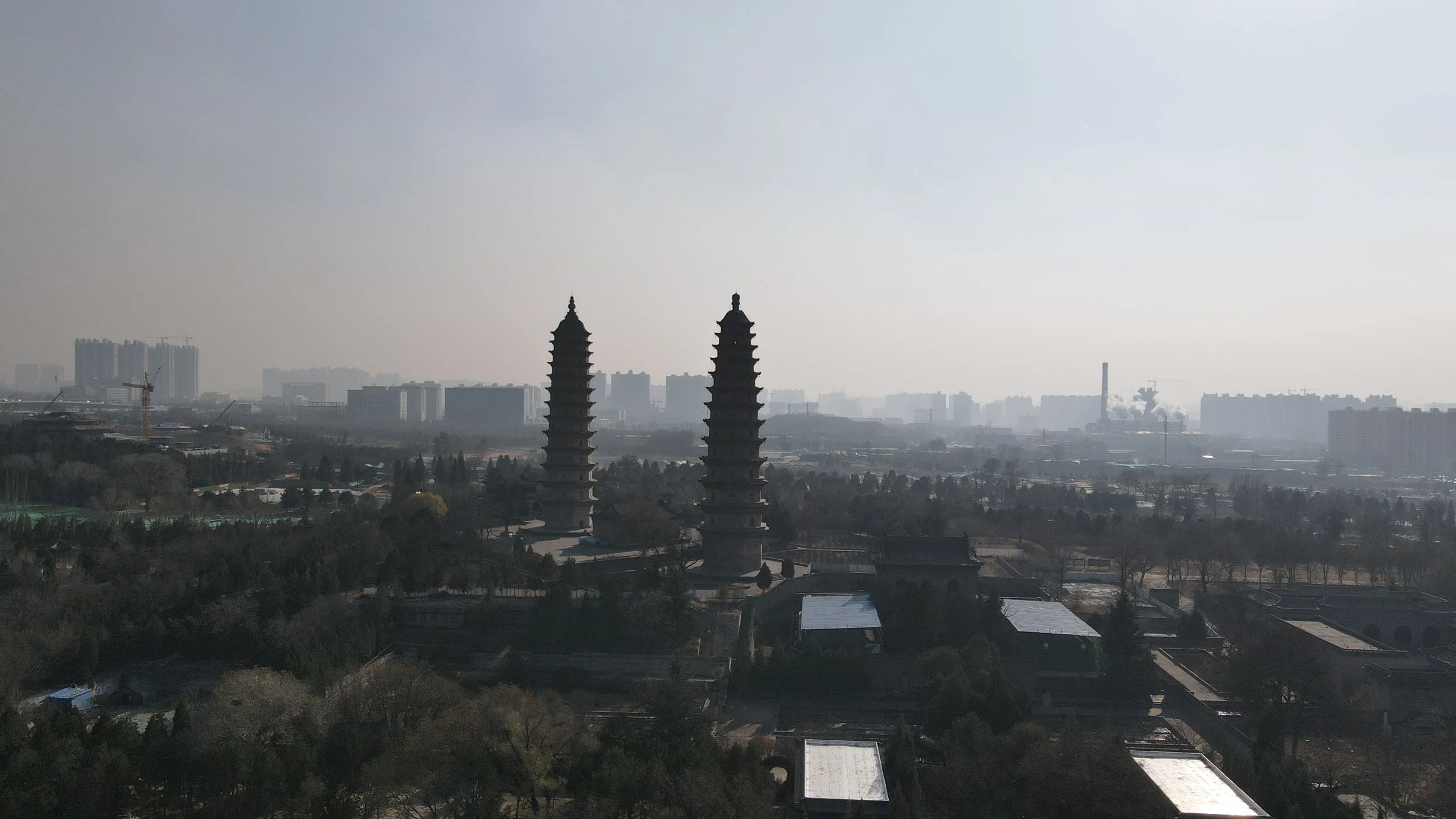
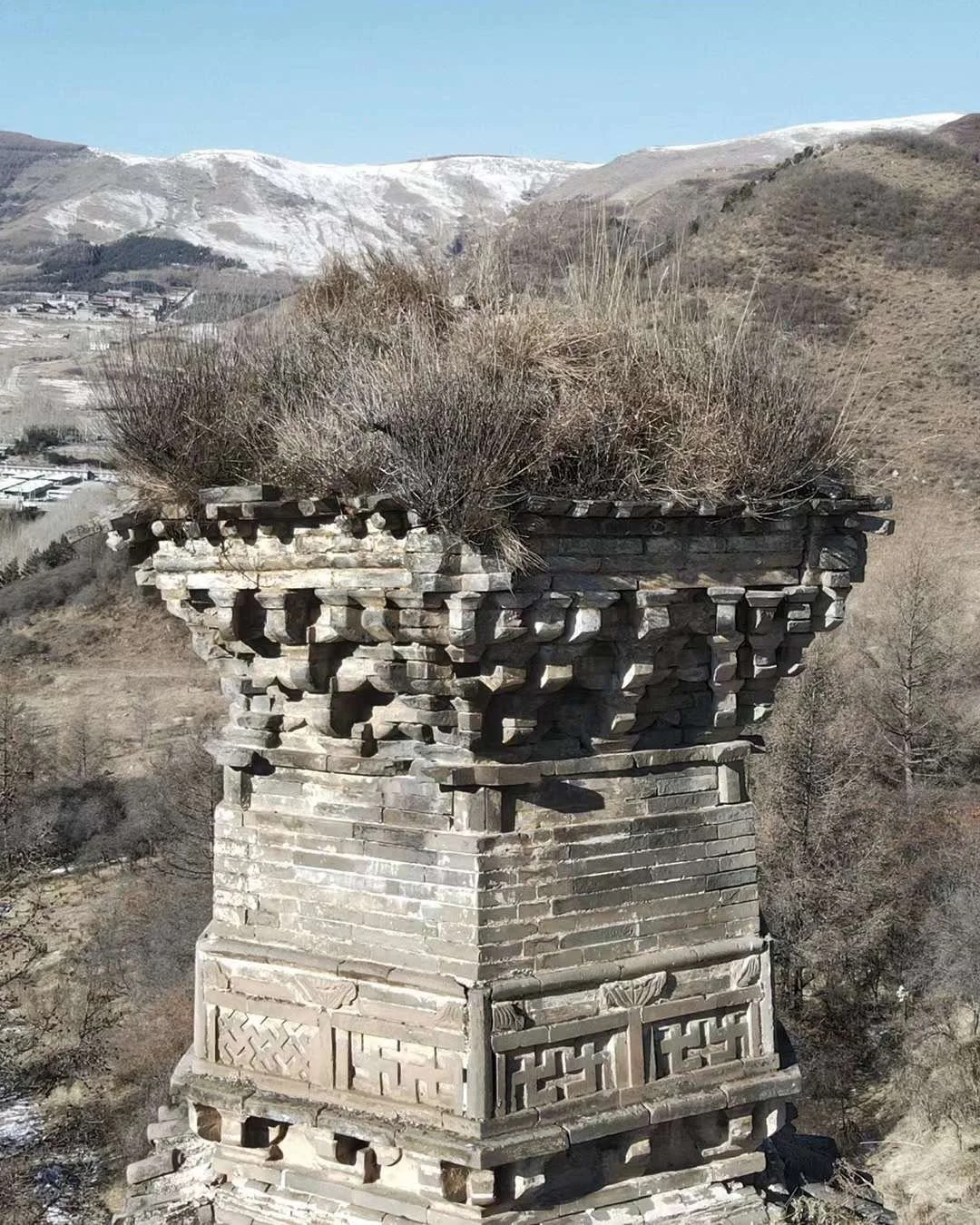
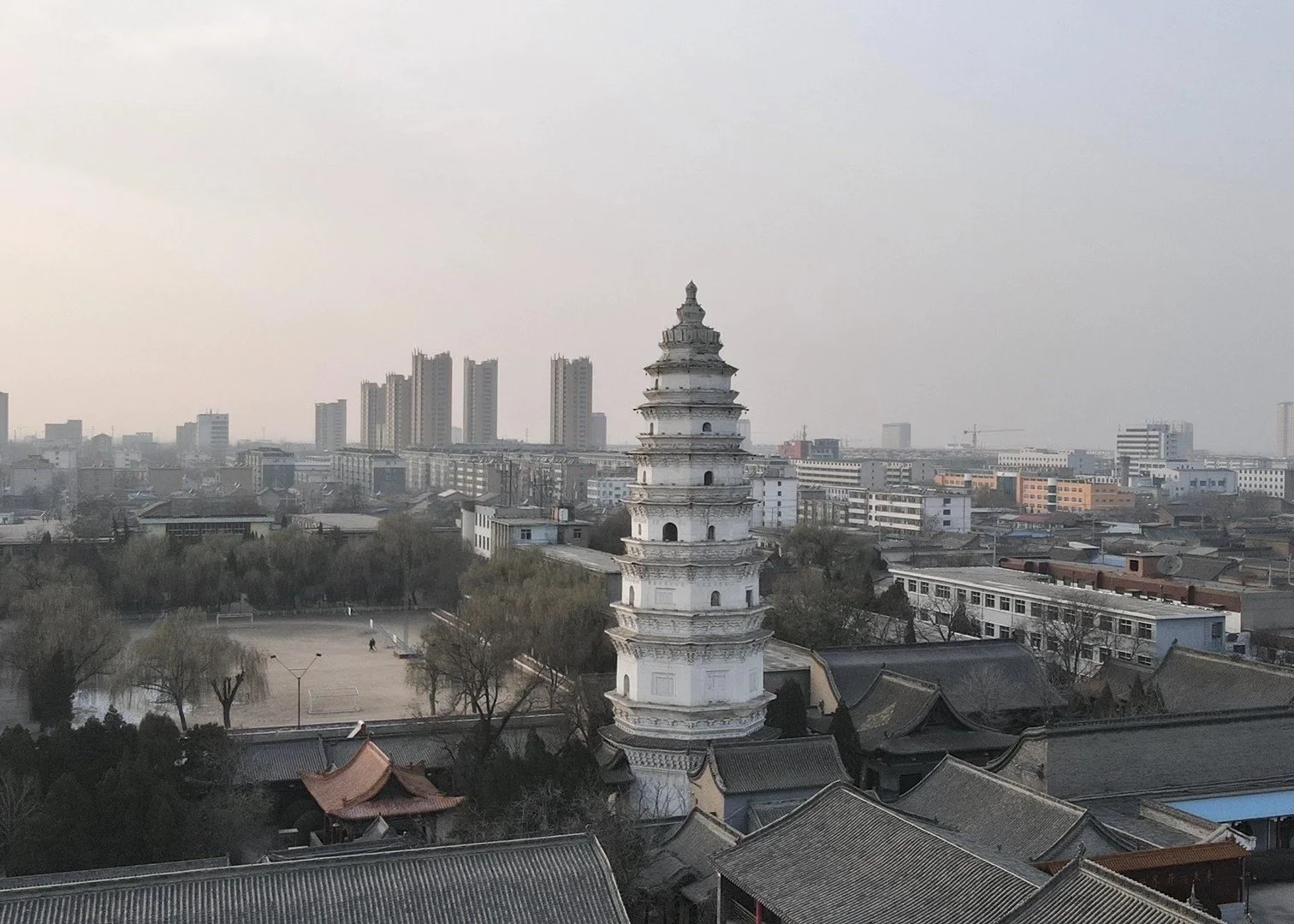
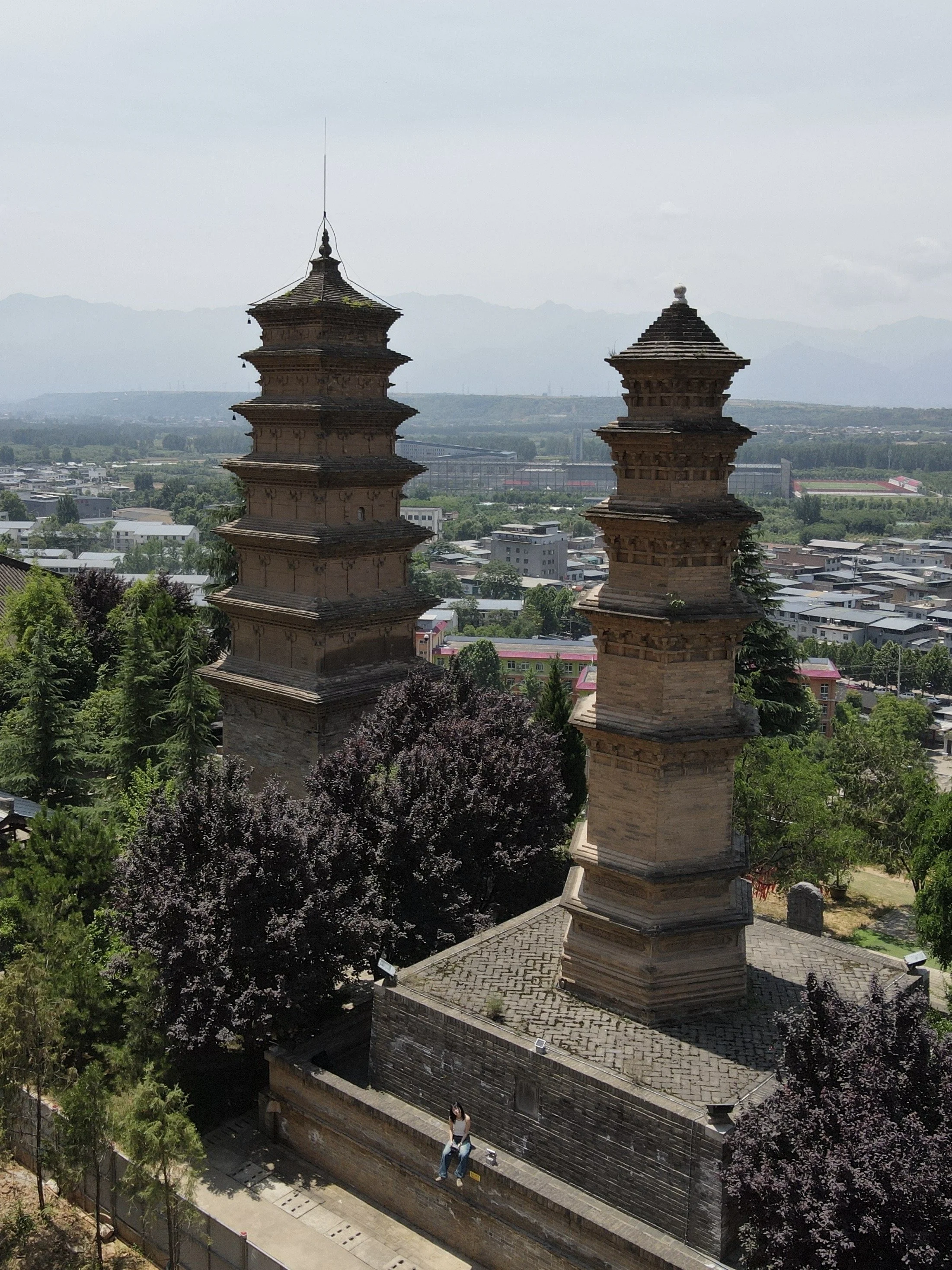
Pagodas are such facinating objects to me. They are architecture and sculpture; they are functional space and also the most unfunctional space. Each of them was so beautifully made. Humans pour their heart and strength into pagodas, physically and spiritually, leaving them standing elegantly across the vast land of history.
When I think of pagoda, I think…yum!
They are the dishes left by time. Each resembles the taste of a place and the people who lived there. Studying them is not different from sense the history of many lives.
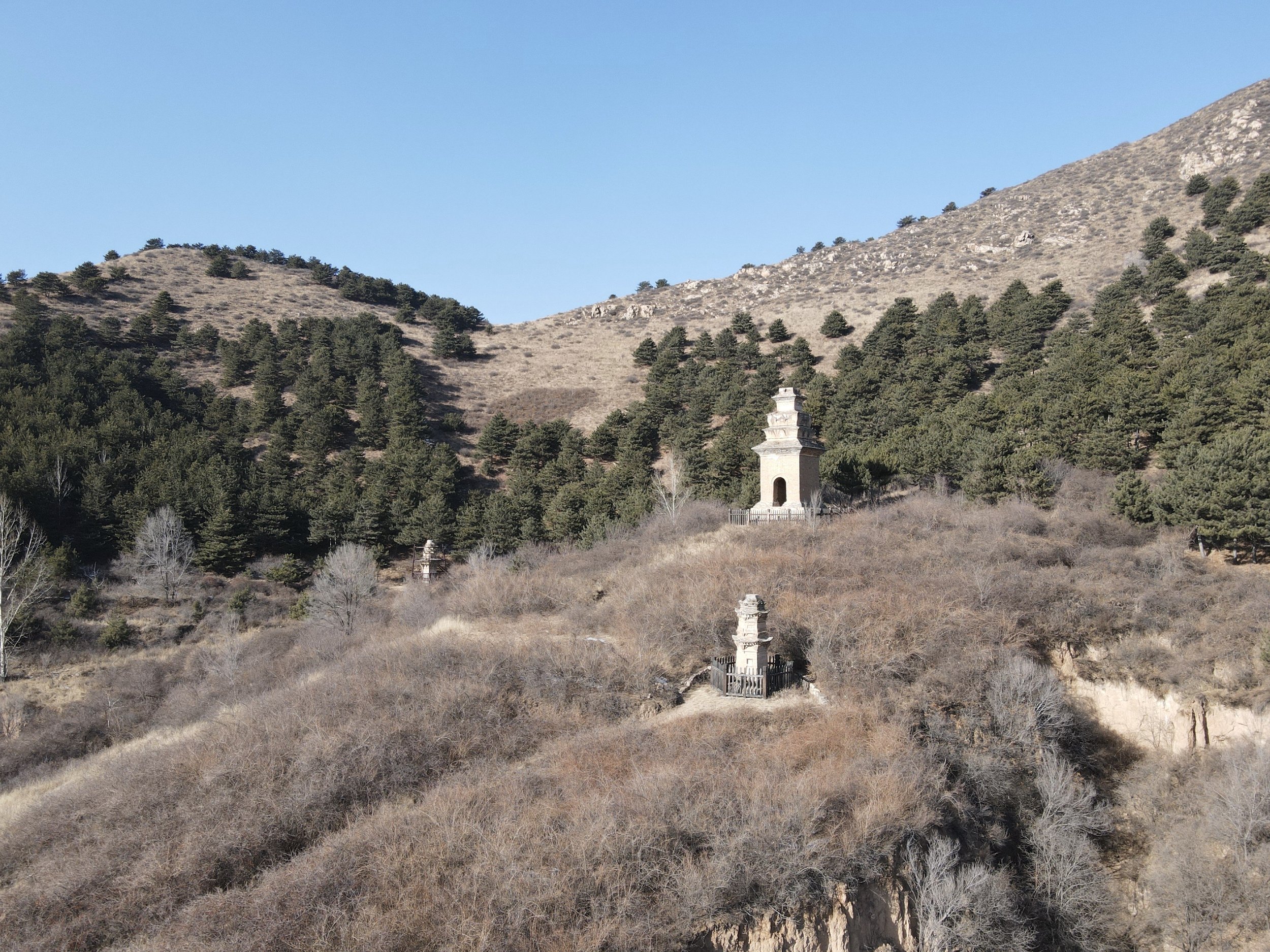
This research was initiated in 2018 due to the lack of sources on pagodas or bibliography. I began gathering data and creating Excel charts for pagodas across China. In 2019, I began my “Searching Pagoda” trips to locate lost pagodas, verify the information I had gathered, assess their current condition, correct inaccurate online information, and publish my research as a public resource.